
Longevity Blueprint · $649
The Longevity Blueprint: Advanced Biomarker Testing in Flagstaff & Across Arizona
100+ biomarkers, reviewed one-on-one with an experienced clinician, with a written comprehensive plan. $649.
ApoB
Counts every atherogenic particle in blood
Fasting Insulin
Often rises years before fasting glucose does
Lp(a)
A largely genetic cardiovascular risk factor
Free T3
The active thyroid hormone standard panels skip
DHEA-S
Adrenal hormone tied to aging and vitality
Homocysteine
Cardiovascular and neurological risk marker
hsCRP
Chronic inflammation missed by standard CRP
Omega-3 Index
Essential fats critical for brain and heart
RBC Magnesium
Intracellular levels standard serum tests miss
HOMA-IR
Insulin resistance calculated from glucose + insulin
A lab panel built to catch the early indicators of disease — and the levers to feel and function better now.
Particle-based cardiovascular risk, insulin read alongside glucose, inflammation, hormones, and nutrient status.
Illustrative biomarker summary across seven systems — Cardiovascular, Metabolic, Hormones, Thyroid, Inflammation, Nutrients, and Organ function. 103 biomarkers total: 89 in range, 14 out of range. Illustrative only, not a real result.
What's tested
100+ biomarkers, organized by system
One draw, seven systems.
100+
biomarkers
Cardiovascular
- What it measures
- The number of LDL and other cholesterol-carrying particles circulating in the blood.
- Why it matters
- Particle count reflects arterial exposure more directly than total cholesterol, since a single particle can carry a variable amount of cholesterol. LDL-C can read normal while particle number runs high.
- Standard panel
- Not typically included
- What it measures
- The primary structural protein of HDL particles.
- Why it matters
- ApoA-1 counts the particles available to transport cholesterol away from tissue, a more direct read than HDL cholesterol alone.
- Standard panel
- Not typically included
- What it measures
- Lp(a), an LDL-like particle whose level is largely set by genetics.
- Why it matters
- Lp(a) stays fairly constant over a lifetime, so one measurement usually doesn't need repeating. Its added protein structure gives it different clotting-related behavior than standard LDL.
- Standard panel
- Not typically included
- What it measures
- Total cholesterol, LDL, HDL, and triglycerides, expressed together as a ratio.
- Why it matters
- The ratio reads each value against the others rather than any single number in isolation.
- Standard panel
- Included
- What it measures
- An amino acid produced during methionine metabolism.
- Why it matters
- Elevated homocysteine reflects how efficiently the body processes methionine, a process tied to B-vitamin status. It's studied separately from cholesterol-based markers.
- Standard panel
- Not typically included
- What it measures
- A clotting protein that also rises with systemic inflammation.
- Why it matters
- Fibrinogen plays a direct role in clot formation and moves independently of the lipid panel, giving a different kind of signal.
- Standard panel
- Not typically included
- What it measures
- High-sensitivity C-reactive protein, made by the liver in response to inflammatory signaling.
- Why it matters
- hs-CRP detects lower-grade inflammation than a standard CRP test. It reflects signaling from anywhere in the body, not a specific location.
- Standard panel
- Not typically included
- What it measures
- A composite signal reflecting several acute-phase glycoproteins at once.
- Why it matters
- Because GlycA integrates several inflammatory proteins rather than one, it can pick up patterns hs-CRP misses.
- Standard panel
- Not typically included
Metabolic
- What it measures
- The average percentage of hemoglobin coated with glucose over roughly the prior three months.
- Why it matters
- A1c reflects average glucose exposure over a red blood cell's lifespan, rather than a single point-in-time reading.
- Standard panel
- Not typically included
- What it measures
- Circulating insulin after an overnight fast.
- Why it matters
- Insulin often rises years before fasting glucose does, as the body compensates for reduced sensitivity by producing more of it. Reading it alongside glucose shows whether that compensation still holds.
- Standard panel
- Not typically included
- What it measures
- A byproduct of purine metabolism.
- Why it matters
- Uric acid rises with certain dietary patterns and reduced kidney clearance, and is tracked as an independent metabolic marker.
- Standard panel
- Not typically included
- What it measures
- Circulating blood sugar at the time of the draw.
- Why it matters
- A fasting reading shows where blood sugar sits after an overnight fast — one input alongside A1c and insulin, not the whole picture on its own.
- Standard panel
- Included
- What it measures
- Glucose, kidney function, liver enzymes, and electrolytes, read together.
- Why it matters
- Bundling these shows how several organ systems are functioning relative to each other from a single draw.
- Standard panel
- Included
Hormones
- What it measures
- Total circulating testosterone and the unbound, biologically active fraction.
- Why it matters
- Total testosterone can read normal while free testosterone — the fraction actually available to bind receptors — runs low, often because SHBG is elevated. Measuring both separates the two.
- Standard panel
- Not typically included
- What it measures
- Estradiol, using an assay built to read low concentrations accurately.
- Why it matters
- Standard assays lose accuracy at the low end, which matters most for men and postmenopausal women. A sensitive assay reads that range reliably.
- Standard panel
- Not typically included
- What it measures
- Sex hormone-binding globulin, the protein that binds testosterone and estradiol in circulation.
- Why it matters
- SHBG determines how much total hormone is free and active versus bound and inactive. It shifts with thyroid status, insulin, and other factors.
- Standard panel
- Not typically included
- What it measures
- A precursor hormone produced mainly by the adrenal glands.
- Why it matters
- DHEA-S is a building block for downstream sex hormones and one indicator of adrenal androgen output.
- Standard panel
- Not typically included
- What it measures
- The pituitary hormones that signal the gonads.
- Why it matters
- FSH and LH show whether a hormone pattern originates in the gonads themselves or upstream in the pituitary signal driving them.
- Standard panel
- Not typically included
- What it measures
- A pituitary hormone best known for its role in lactation.
- Why it matters
- Prolactin is read because elevated levels can suppress the reproductive hormone axis, and it can flag a pituitary source.
- Standard panel
- Not typically included
- What it measures
- Cortisol drawn in the morning, when levels are naturally highest.
- Why it matters
- Morning cortisol captures the peak of its daily rhythm, making it the most interpretable single time point for adrenal output.
- Standard panel
- Not typically included
- What it measures
- Insulin-like growth factor 1, produced mainly in response to growth hormone.
- Why it matters
- IGF-1 serves as a stable proxy for growth hormone output, since GH itself pulses through the day and a single reading isn't representative.
- Standard panel
- Not typically included
Thyroid
- What it measures
- Thyroid-stimulating hormone, released by the pituitary.
- Why it matters
- TSH is the pituitary's feedback signal to the thyroid and the most sensitive single indicator of thyroid function.
- Standard panel
- Included
- What it measures
- The active, unbound form of triiodothyronine.
- Why it matters
- Free T3 is the form of thyroid hormone cells actually use. TSH alone can miss a conversion issue that shows up here instead.
- Standard panel
- Not typically included
- What it measures
- The unbound form of the thyroid's main storage hormone.
- Why it matters
- Free T4 reflects the thyroid's direct output before peripheral conversion to the more active T3.
- Standard panel
- Not typically included
Inflammation & immune
- What it measures
- High-sensitivity C-reactive protein, made by the liver in response to inflammatory signaling.
- Why it matters
- hs-CRP detects lower-grade inflammation than a standard CRP test, reflecting signaling from anywhere in the body.
- Standard panel
- Not typically included
- What it measures
- A composite signal reflecting several acute-phase glycoproteins at once.
- Why it matters
- Because it integrates several inflammatory proteins rather than one, GlycA can pick up patterns a single marker misses.
- Standard panel
- Not typically included
- What it measures
- How quickly red blood cells settle in a test tube over one hour.
- Why it matters
- A faster settling rate suggests inflammatory proteins are altering how red cells clump and fall — a nonspecific but longstanding inflammatory indicator.
- Standard panel
- Not typically included
- What it measures
- A clotting protein that also rises with systemic inflammation.
- Why it matters
- Fibrinogen plays a direct role in clot formation and moves independently of standard inflammatory markers.
- Standard panel
- Not typically included
- What it measures
- Antinuclear antibodies — autoantibodies that target components of the cell nucleus.
- Why it matters
- A positive ANA indicates the immune system is producing antibodies against the body's own nuclear material, a pattern seen across a range of autoimmune conditions.
- Standard panel
- Not typically included
Nutrients
- What it measures
- The storage form of vitamin D.
- Why it matters
- 25-OH vitamin D is the standard way to assess body-wide vitamin D status, since it has a longer half-life than the active hormone form.
- Standard panel
- Not typically included
- What it measures
- Circulating vitamin B12.
- Why it matters
- B12 supports red blood cell formation and nerve function, and levels can run low without any change showing on a standard CBC.
- Standard panel
- Not typically included
- What it measures
- Circulating folate (vitamin B9).
- Why it matters
- Folate works alongside B12 in DNA synthesis and red blood cell production, so the two are typically read together.
- Standard panel
- Not typically included
- What it measures
- Circulating zinc.
- Why it matters
- Zinc supports enzyme function across the body and can run low relative to intake in ways a standard panel wouldn't reveal.
- Standard panel
- Not typically included
- What it measures
- Magnesium concentration inside red blood cells, rather than in serum.
- Why it matters
- Serum magnesium stays tightly regulated even when body stores are low, since roughly 1% of total-body magnesium circulates in serum. RBC magnesium reflects intracellular stores more accurately.
- Standard panel
- Not typically included
- What it measures
- Circulating copper.
- Why it matters
- Copper is read alongside zinc, since the two minerals compete for absorption and an imbalance in one typically shows up relative to the other.
- Standard panel
- Not typically included
- What it measures
- Circulating iron, total iron-binding capacity, and ferritin, read together.
- Why it matters
- Reading all three together distinguishes iron-deficient states from inflammation-driven changes in iron markers — something a single value can't do on its own.
- Standard panel
- Not typically included
- What it measures
- The percentage of omega-3 fatty acids (EPA and DHA) in red blood cell membranes.
- Why it matters
- The omega-3 index reflects intake and incorporation over the preceding months, rather than a single meal or supplement dose.
- Standard panel
- Not typically included
Organ function & hematology
- What it measures
- Kidney filtration rate, estimated from creatinine, age, and sex, alongside the standard CMP values.
- Why it matters
- eGFR estimates how efficiently the kidneys are filtering blood — a calculation, not a direct measurement.
- Standard panel
- Included
- What it measures
- Gamma-glutamyl transferase, a liver enzyme.
- Why it matters
- GGT is sensitive to bile duct and liver cell stress and often shifts before other liver enzymes do.
- Standard panel
- Not typically included
- What it measures
- An enzyme that breaks down starches, produced mainly by the pancreas and salivary glands.
- Why it matters
- Amylase reflects pancreatic and salivary gland enzyme output.
- Standard panel
- Not typically included
- What it measures
- A pancreatic enzyme responsible for breaking down dietary fat.
- Why it matters
- Lipase is more specific to the pancreas than amylase, and the two are read together.
- Standard panel
- Not typically included
- What it measures
- The physical, chemical, and microscopic properties of a urine sample.
- Why it matters
- A urinalysis screens kidney and urinary tract function and can surface findings a blood draw alone wouldn't show.
- Standard panel
- Included
- What it measures
- Prostate-specific antigen, with a free-PSA follow-up run automatically if the total result is elevated.
- Why it matters
- The free-PSA reflex adds context to an elevated total result without requiring a second draw.
- Standard panel
- Not typically included
- What it measures
- Red cells, white cells broken down by subtype, and platelets.
- Why it matters
- The differential breaks white cell counts down by subtype, which a basic cell count alone doesn't provide.
- Standard panel
- Included
Every test listed above is the same panel included in the Longevity Blueprint, MEND's comprehensive one-time evaluation.
One price: $649 — the draw, the 100+ marker panel, the 60-minute review, and the written plan.
Book the Blueprint — $649Blueprint for Two — $1,199
For couples and partners in the same household: two panels, two written plans, reviewed together in one visit.
What you actually receive
Not a PDF of raw values
The draw
A comprehensive lab draw at any Labcorp location.
A 60-minute review
One-on-one with Shawn, by telehealth. Every result, in context.
60 min
A written comprehensive plan
Prioritized, specific, and yours to keep.
Supplement and additional care recommendations
Built from your actual results — not a generic stack pulled off a shelf.
Illustrative report — not real patient data
A mockup of a Longevity Blueprint results and plan report. Four illustrative results, each shown with a range indicator: ApoB 118 mg/dL, elevated; Lp(a) 180 nmol/L, elevated; Omega-3 index 4.1%, low; Fasting insulin 5.0 µIU/mL, within target range. The written plan prioritizes addressing ApoB and Lp(a) with therapy options and a retest interval, and beginning omega-3 repletion. Illustrative only, not real patient data.
How it compares
Not the same as a lab panel — or a physical
Standard annual physical
Direct-to-consumer lab panel
- In person or telehealth
- Can prescribe if needed
- No insurance required
- Supplement recommendations
- Biomarkers per panel100+
- A clinician reviews results with you
- 60-minute one-on-one review
- Written comprehensive plan
- Additional care recommendations
- Retesting cadenceAs indicated
Standard annual physical
- In person or telehealth
- Can prescribe if needed
- No insurance required
- Supplement recommendations
- Biomarkers per panelTypically fewer than 30
- A clinician reviews results with youPartial
- 60-minute one-on-one review
- Written comprehensive plan
- Additional care recommendations
- Retesting cadenceAnnual
Direct-to-consumer lab panel
- In person or telehealth
- Can prescribe if needed
- No insurance required
- Supplement recommendations
- Biomarkers per panel100+
- A clinician reviews results with you
- 60-minute one-on-one review
- Written comprehensive plan
- Additional care recommendations
- Retesting cadenceFixed
"Direct-to-consumer lab panel" refers to the category of self-ordered online lab testing services generally, not a specific company. "Standard annual physical" reflects a typical primary-care wellness visit with basic bloodwork.
Who this is for
Honest about both sides
A good fit
- You've been told your labs are normal but you don't feel right
- You train seriously and want objective data, not guesswork
- You have a family history of cardiac or metabolic disease
- You want a baseline before making changes
Not the right starting point
- You have an active acute problem that needs treatment now
- You want a single test rather than a full workup
How it works
Four steps, one visit
Step 01 · Order
Start with a conversation
Brief intake so the panel is built around your history, not a template.
- A short intake before you're scheduled — not a generic order form
- The panel reflects your history, not a fixed template
- We confirm your draw location before you book
- No doctor's referral needed — the order is included

Step 02 · Draw
One blood draw
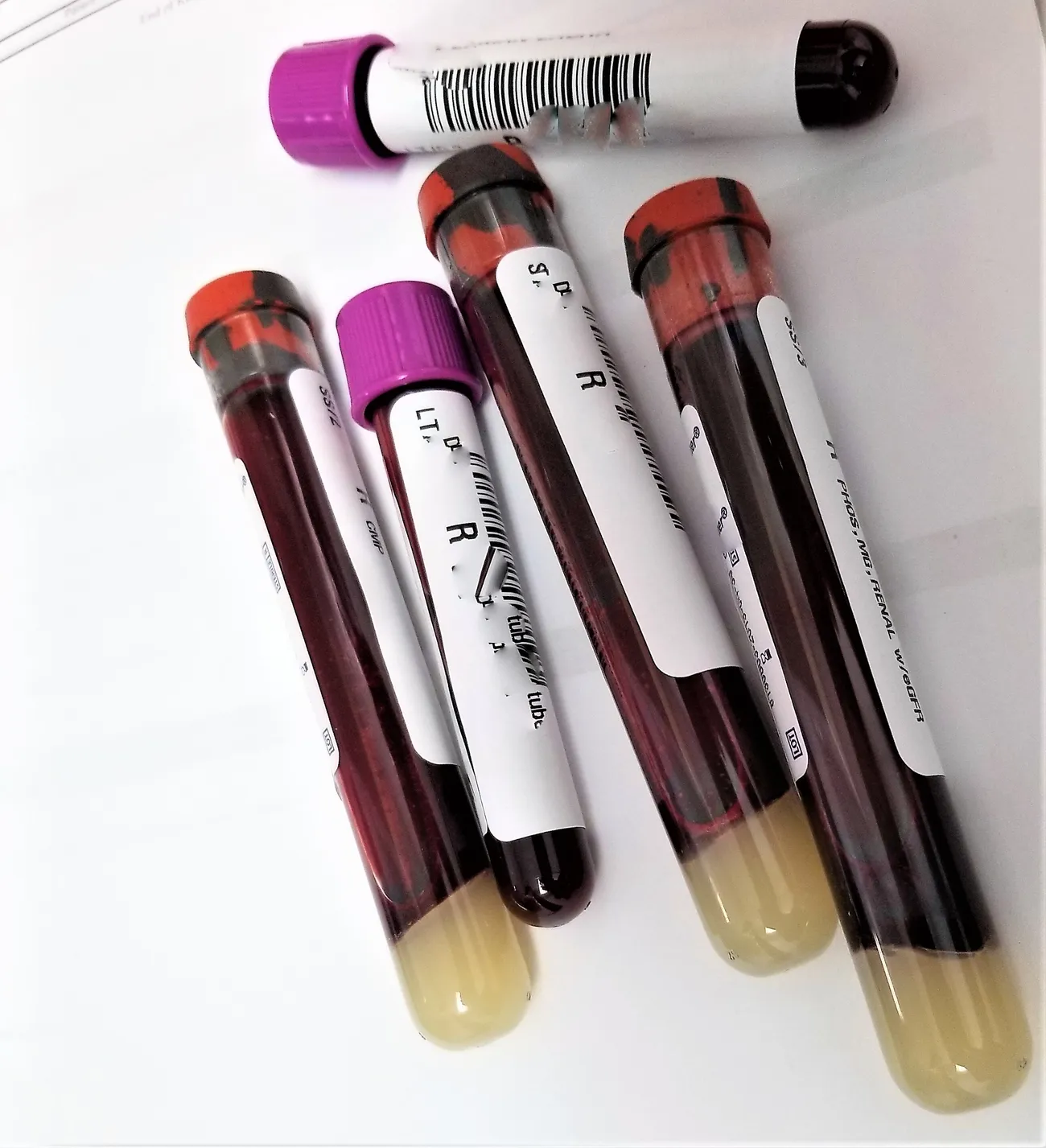
At any Labcorp location in Arizona. One appointment, one draw, 100+ biomarkers.
- One appointment, one draw — no repeat visits for separate panels
- At any Labcorp location statewide
- One draw, reporting 100+ biomarkers
- Most results back within a few business days
Step 03 · Review
Sixty minutes, one-on-one, by telehealth
Every result read in context, by telehealth. Not a dashboard, not a PDF.
- 60 minutes, one-on-one with Shawn — not a portal login
- Every result explained in the context of your history and goals
- By telehealth, anywhere in Arizona
- Questions answered in real time, not through a message thread

Step 04 · Plan
A written plan you keep
A comprehensive plan, supplement recommendations, and additional care recommendations. Yours whether or not you continue with MEND.
- A written comprehensive plan, prioritized and specific
- Supplement recommendations built from your actual results
- Additional care recommendations where they're warranted
- Yours to keep — no further commitment required
Illustrative report — not real patient data
A two-page interior spread from the same illustrative Longevity Blueprint report shown elsewhere on this page. Left page, "Your comprehensive plan": cardiovascular priorities addressing ApoB and Lp(a) with therapy options and a retest interval discussed; nutrient status priorities for omega-3 repletion per supplement protocol; metabolic priorities addressing HbA1c 5.9% with a nutrition and training plan. Right page, "Supplement protocol": a four-row table listing Omega-3 EPA+DHA, Vitamin D3, Magnesium glycinate, and Creatine, with dose and timing values redacted rather than shown. Illustrative only, not real patient data.
FAQ